
Our Services
Paediatric Physiotherapy Services in The Hills
At Little Leaps Therapy Services, we believe in the power of small steps to make big changes.
Our approach is rooted in the values of compassion, trust, expertise, personalised care and community. With over 60 combined years of experience, we are dedicated to helping your child achieve their developmental milestones in a supportive and nurturing environment. Our mobile services bring expert care directly to your home, childcare centre, school, or local park, ensuring that therapy is convenient and accessible for your family. And our in-clinic service fits perfectly amongst other multidisciplinary services for collaboration with your team members.
We offer a wide range of services to address various paediatric conditions.
While these are some of the common conditions we treat, our expertise extends to many other paediatric health issues. We understand that every child is unique, and we are committed to providing customised care to meet their specific needs. If your child's condition is not listed here, please don't hesitate to reach out to us to see if we can support your child's journey to better health.
-
It really is amazing to see a little person develop a new skill! While we know that each and every child is a unique little being, most children develop gross motor skills in a roughly similar order. As a baby learns to move their body against gravity, they will move from smaller movements on their back or tummy, like lifting their arms or head, to bigger movements like rolling and pushing up on their arms in tummy-time. Sitting becomes kneeling on all-fours, then crawling, kneeling, standing and walking. There are many reasons your baby might not ‘hit their milestone’ when you expect them to. We can assess your child, use standardised clinical tools to give you an idea of how they compare to age-matched peers and guide you to support skill development.
-
Noticing a flat spot on your baby’s head can feel worrying. Please know you’re not alone - and in most cases, it’s very manageable with the right support.
There are many reasons flattening can occur, including positioning in utero, tight neck muscles from birth (torticollis), a preference for looking to one side, time spent in the same position, or reduced neck strength and muscle tone.
A baby’s skull is beautifully designed to be soft and flexible, allowing it to adapt during birth. While this flexibility means flat spots can develop if your baby stays in one position for too long, it also means their head shape can gently improve as they grow - especially when we guide that process early.
Our role is to carefully assess your baby’s head shape, neck movement and overall development to understand what’s contributing to the change. We then walk alongside you - showing you simple positioning strategies, gentle stretches and strengthening exercises, and ways to encourage symmetrical movement and play.
We know that you are your baby’s most important teacher. Our goal is to equip and empower you with practical, achievable strategies so you feel confident supporting your little one at home - and reassured about what to expect as they develop.
-
Your child’s development is shaped by a beautiful and complex partnership between their brain, and body, influenced by the world around them. Movement, communication, play, learning, social connection and emotional regulation are all intertwined.
We use neurodevelopmental assessments, including screening questionnaires and standardised tools, to build a clearer picture of your child’s strengths and areas where they may need extra support. These assessments are not about labels - they are about understanding. They help guide meaningful goals, inform referrals where appropriate, and shape a therapy plan that truly reflects your child’s needs.
When there are questions or concerns about development, it can feel overwhelming. We'll walk alongside you throughout the process, ensuring you feel informed, supported and confident in the next steps for your child.
-
Our team of experienced physiotherapists are ready to help your child recover from a wide range of injuries. Rehabilitation following injury, or surgery, is most successful when you feel supported, empowered with understanding and have clarity about what to expect. Our therapy sessions can be done both on land and in the water. We prescribe exercises to be done with supervision and independently, tailored to your child’s stage of acuity and recovery. We’re here to collaborate with you and any other health care professionals, coaches or educators involved in your child’s care, to help them return to what they love doing.
-
Does your child have hypermobile joints? Hypermobility is the term used to describe greater than ‘average’ movement at joints. It can exist alongside other diagnoses, throughout all joints in the body or only a few. Often hypermobility has flow-on effects on muscles, connective tissues and overall movement patterns. This can be accompanied by limitations in daily activities or lifestyle changes because of pain or injury. That’s where Little Leaps Therapy Services can help! A paediatric physiotherapist can help your child get stronger, learn to move their bodies in safe ways and get back to doing what is most important in your family. And Little Leaps Therapy Services is proud to be recognised as a Centre of Excellence by the Ehlers Danlos Society.
-
"Proprioception - “prow-pree-ow-sep-shn” - it’s a big word, and an even bigger deal for growing bodies.
You might also hear it called kinesthesia. It’s our body’s internal sense that tells us where we are in space, how we’re moving, and what each part of our body is doing - without having to look. When this sense works well, children can move smoothly, confidently and with good coordination.
Proprioception works closely with our sense of touch to help us feel organised and in control. When this system isn’t working as efficiently as it could, children may seem clumsy, bump into things, trip or fall more often, struggle with ball skills, avoid playground equipment, or find sports and classroom tasks more challenging. Sometimes this is described as Developmental Coordination Disorder.
The good news is that proprioceptive awareness can be strengthened.
In physiotherapy, we gently train this internal body awareness through playful, purposeful movement. We love using targets, mirrors, multi-directional movements, action-copying games and activities that involve crossing the midline to help children build better control and confidence in their bodies.
Because when children feel more in control of their movements, they’re freer to join in, explore and enjoy being active.
-
Many genetic conditions can be associated with low muscle tone, reduced endurance, increased fatigue, varied cognitive strengths and differences in sensory processing. Every child’s profile is unique - and so is the way these challenges show up in daily life.
Physiotherapy plays an important role in the broader healthcare journey. We look carefully at your child’s strengths as well as the areas that need extra support, and together we set meaningful, achievable goals that reflect what matters most to your family.
We are passionate about helping children build strength, confidence and independence in ways that feel empowering rather than overwhelming. And we never underestimate the power of small steps - because those little leaps forward often lead to truly big achievements.
-
We provide expert physiotherapy for children with connective tissue dysplasia, with a strong focus on joint stability, progressive strengthening and meaningful functional outcomes.
Connective tissue differences can impact participation in play, school, sport and everyday activities. Our approach is both evidence-informed and highly individualised, grounded in clinical experience and research involvement in hypermobility and strengthening approaches, as well as skeletal dysplasia and functional outcomes.
We conduct a detailed assessment of joint stability, muscle control, posture, endurance and movement quality to understand not just how your child moves - but how movement is affecting their confidence, energy levels and daily participation. We prioritise controlled strength, neuromuscular stability and proprioceptive awareness to help protect joints and build long-term resilience. Therapy is progressive, measurable and tailored - designed to improve real-world function such as keeping up with peers, managing fatigue across a school day, reducing pain and participating fully in family life.
Our goal is to equip children with the physical capacity and confidence to move well now, while also supporting sustainable joint health for the future.
This is another true area of expertise and passion for our team, and we are committed to delivering thoughtful, skilled care that makes a lasting difference.
-
Arthrogryposis is a congenital condition characterised by multiple joint contractures present at birth. It can affect a varying number of joints throughout the body and results in stiffness and reduced range of motion. The severity and pattern of joint involvement differs from child to child, which means functional impact can vary significantly. Some children may require orthopaedic intervention, including surgery, as part of their long-term management.
Physiotherapy plays a central role from infancy through adolescence. Management is proactive and preventative. Growth spurts, surgical interventions and changes in function require careful monitoring and timely adjustment of therapy programs.
We work collaboratively with orthopaedic surgeons, occupational therapists and families to support each child’s unique goals - always with a focus on maximising function, comfort and participation.
Members of our team have presented professionally on arthrogryposis management, reflecting our commitment to evidence-based, specialist care in this area.
-
A brain injury or stroke in childhood can be sudden and life-altering. Whether acquired through trauma, illness, or vascular event, injury to the developing brain can affect movement, strength, coordination, balance, endurance, behaviour, cognitive development and functional independence.
Every child’s presentation is unique. Some children may experience weakness on one side of the body, altered muscle tone, fatigue, reduced balance, or challenges with coordination and motor planning. Others may have more complex physical needs requiring long-term rehabilitation.
Physiotherapy plays a central role in recovery and long-term development.
We work closely with families, schools, medical teams and other allied health professionals to ensure therapy is coordinated and functional. Growth, developmental transitions and increasing academic or physical demands often require reassessment and adaptation of therapy plans.
Above all, our focus is on helping children rebuild confidence in their bodies, rediscover movement, and participate fully in the environments that matter most to them.
-
If your child has been diagnosed with a metabolic disorder, stiffness and fatigue are usually a significant feature in their play lives. We are familiar with completing annual assessments for Enzyme Replacement Therapy, as well as liaising with your Metabolic Team and Orthopaedic Specialists. We can help tailor activities which stimulate your child, allowing them to develop their gross motor skills and target their stiffness while taking into account their unique pace.
-
We provide tailored physiotherapy for children with a range of congenital conditions, recognising that no two children - even with the same diagnosis - are ever the same.
Each child comes to us with their own strengths, challenges, personality and goals. Our approach begins with a thorough assessment of your child’s movement, strength, coordination, endurance and overall development. From there, we design an individualised therapy plan that supports their specific needs while building on what they already do well.
Whether we’re working on improving muscle tone, increasing endurance, developing motor skills, supporting postural control or enhancing participation in play and school activities, our focus is always on meaningful progress. We aim to create therapy that is engaging, achievable and aligned with your family’s priorities.
We believe the best outcomes happen when children feel safe, supported and understood - and when families feel confident and empowered. Our role is to walk alongside you, providing evidence-based care, practical strategies and ongoing encouragement as your child takes their next little leaps forward."
-
Toe walking is when a child walks on the balls of their feet without consistent heel contact. It is common in toddlers who are learning to walk, however persistent toe walking beyond the early years may require assessment.
Some children toe walk due to tight calf muscles or reduced ankle range. Others may have sensory processing differences, neurological conditions, developmental diagnoses, or no identifiable underlying cause (often referred to as idiopathic toe walking).
Early identification matters. Persistent toe walking can lead to progressive calf tightness, reduced ankle mobility, altered biomechanics, pain and difficulty participating in sport or playground activities.
If you have concerns about the posture of your child in standing, their lack of foot arch, the presence of foot, knee or hip pain or their walking or running pattern, we can help. A full assessment of their lower limb alignment, function, strength and flexibility will help to determine if foot posture is contributing to your child’s challenges and what therapy may help.
-
Serial casting is a specialised intervention used to gradually improve joint range of motion. It involves the careful application of a series of casts over time, each positioned to gently lengthen shortened muscles and soft tissues.
This approach is often recommended for children with conditions such as arthrogryposis, neurological conditions, some toe-walkers or other causes of joint stiffness and contracture. It is particularly effective when loss of range is limiting function, comfort, orthotic fit or participation.
We place strong emphasis on pairing casting with active rehabilitation. Improved range alone is not the goal - the goal is improved function, independence and participation.
Members of our team have taught Serial Casting through the Australian Physiotherapy Association and in other professional education settings. This reflects our depth of experience and commitment to best-practice application of this intervention.
We also understand that the idea of casting can feel daunting for families. Our approach is collaborative, transparent and carefully paced - ensuring children feel supported throughout the process and parents feel confident and informed.
-
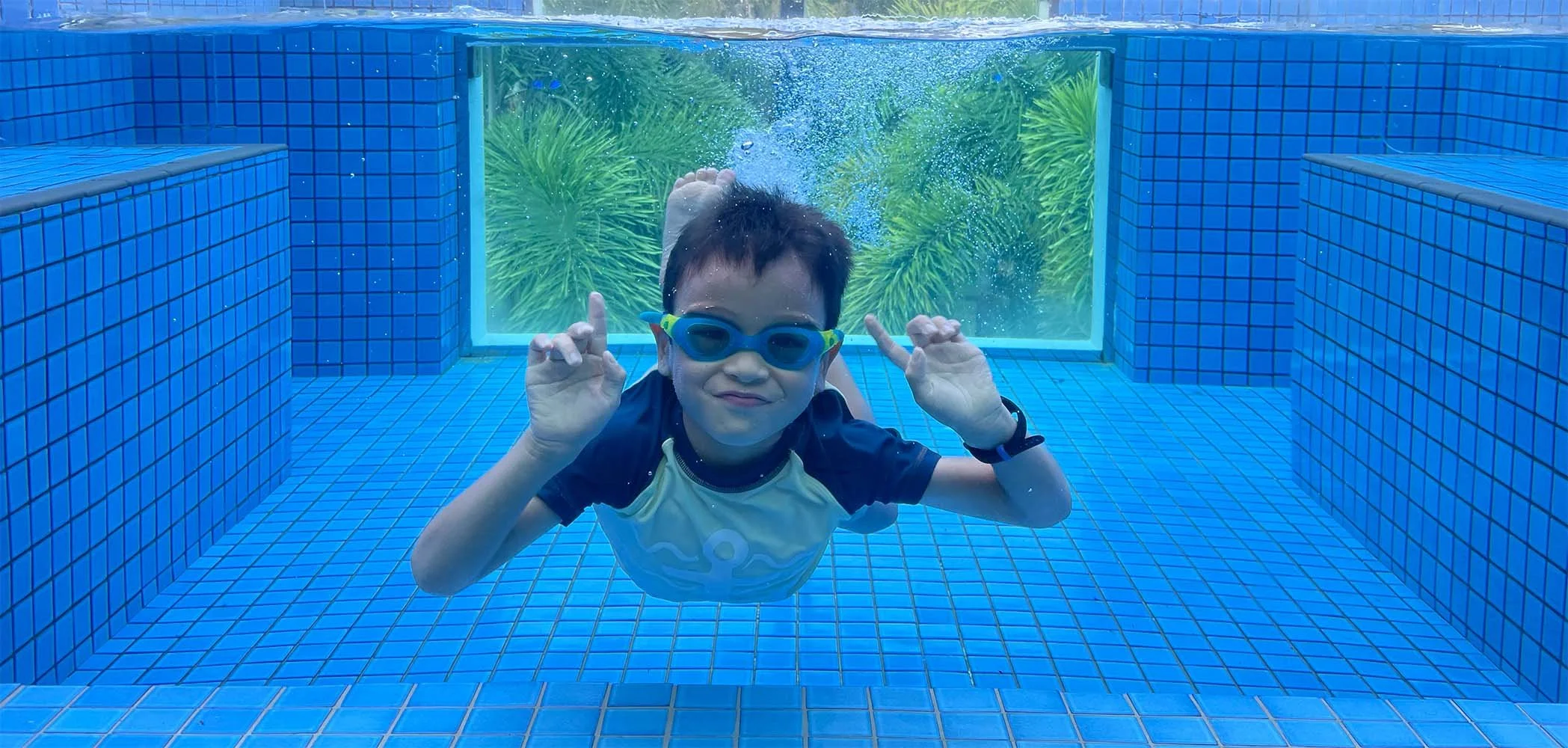
At Little Leaps, we love meeting children where they’re most comfortable - in their homes and in the pool.
There are wonderful benefits to combining land-based and water-based physiotherapy. On land, we use body weight and resistance to build muscle strength and endurance. Strong muscles need resistance to grow - and we thoughtfully design sessions that challenge little bodies in just the right way.
In the water, something magical happens. With the support of buoyancy and reduced gravity, children can move more freely, practise skills with less impact on their joints, and often achieve movements that feel too difficult on land. The water still provides gentle resistance, helping to build strength, coordination and body awareness - just in a different way.
Aquatic Physiotherapy sessions are often full of energy and excitement. The pool allows us to be creative, playful and to challenge our little leapers in ways that aren’t always possible on land.
Whether it’s the height of summer or a crisp winter’s day, we’re so grateful to be able to provide therapy in the warm indoor pool at Waves Aquatic and Fitness Centre.
Contact us
Start your child’s
physiotherapy journey
Ready to make those little leaps count? Contact us for clinic-based or
mobile physiotherapy sessions, or to ask any questions.
Phone: 0466 012 027
FAQs
Things parents often ask us
-
If you’re concerned about your child’s movement, strength, coordination or physical development, it can be helpful to speak with a paediatric physiotherapist. Many families seek support when their child has delayed gross motor milestones, persistent toe walking, coordination difficulties, developmental delay, or recovery needs after injury or surgery. Early assessment allows us to understand your child’s development and provide guidance that supports their confidence and participation in everyday activities.
-
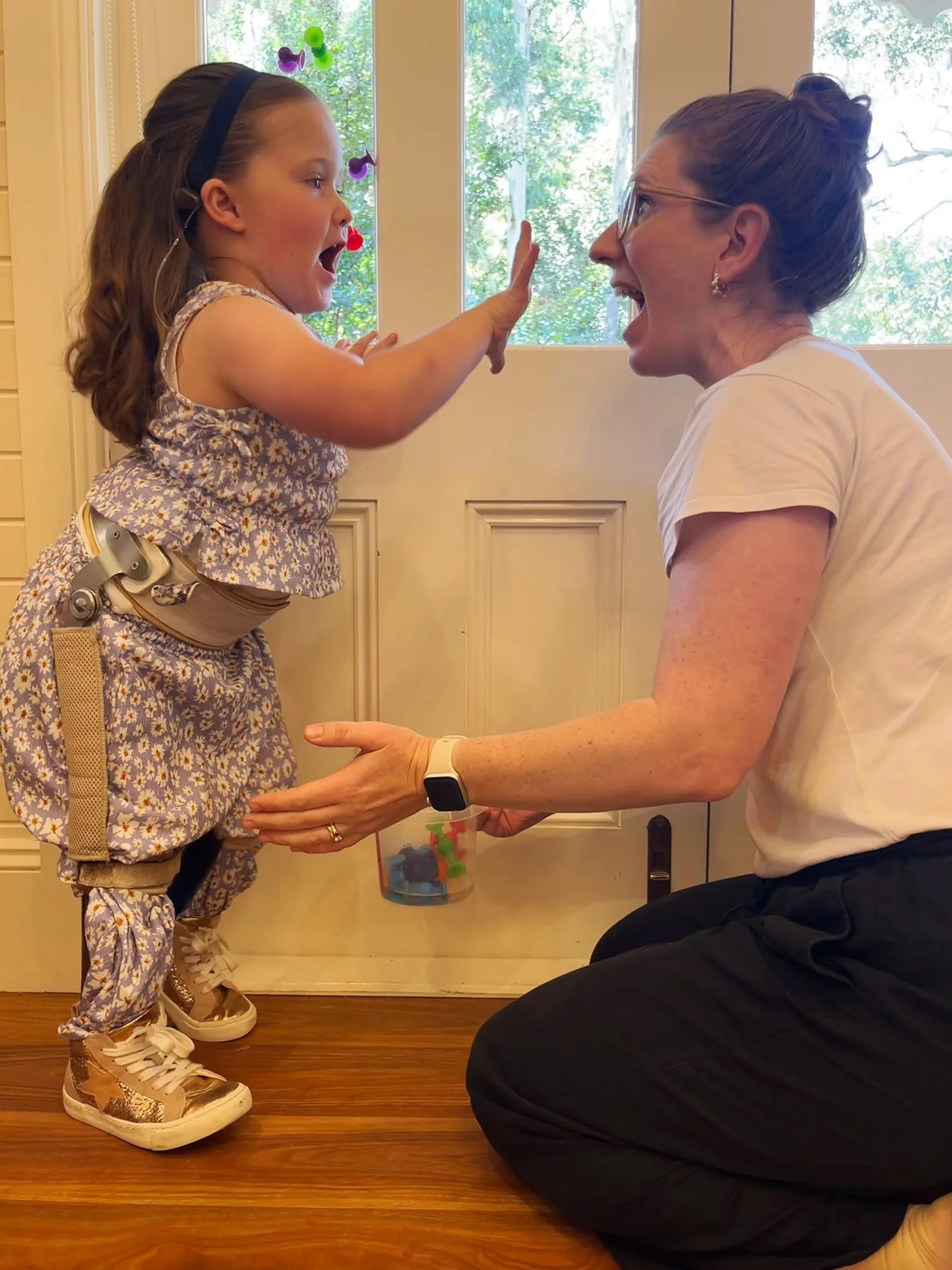
Yes. We provide in-clinic or mobile-based paediatric physiotherapy across the Hills District and surrounding areas of Sydney, visiting children in the environments where they learn and play best. This may include your home, childcare centre, school or a local park. Mobile therapy allows us to observe how your child moves in their natural environment and tailor strategies that fit easily into your family’s daily routine.
-
A physiotherapy assessment involves getting to know your child and understanding how they move, play and participate in everyday life. We look at strength, coordination, balance, posture, flexibility and motor skills. Depending on your child’s needs, we may also use standardised developmental tools. From there, we work with you to create meaningful goals and a personalised therapy plan that supports your child’s development.
-
Yes. We regularly support babies with plagiocephaly (flat head) and torticollis. Early physiotherapy can help improve neck movement, strengthen muscles and guide positioning strategies that encourage symmetrical development. We also provide practical advice and exercises you can easily incorporate into your baby’s daily routines.
-
Hydrotherapy, or aquatic physiotherapy, uses the supportive properties of warm water to help children move more freely and practise skills that may feel difficult on land. Water provides gentle resistance for strengthening while reducing pressure on joints. Hydrotherapy can be particularly helpful for children building strength, coordination and confidence in movement.
-
Yes. Our team has extensive experience supporting children with genetic conditions, neurological conditions, connective tissue disorders and complex developmental needs. Therapy is always tailored to your child’s strengths, goals and everyday environments, with a strong focus on improving functional participation at home, school and in the community.
-
Parents often notice small signs first. Your child may seem less confident with movement, trip frequently, avoid physical play, have difficulty keeping up with peers, or struggle with milestones like crawling, walking or running. If something doesn’t feel quite right, it’s always okay to ask for guidance. An early conversation can provide reassurance and helpful direction.
-
No referral is required to book an appointment with a paediatric physiotherapist. However, some families are referred by their GP, paediatrician, surgeon, other therapist or school. We’re also happy to collaborate with your child’s existing healthcare team to ensure coordinated care.
Have more questions? Check out all of our FAQs.